Solutions for your Sleep Apnea in Los Angeles, CA
Sleep apnea is more than snoring. It is a serious condition that can strain your health night after night, especially when it goes untreated. Many patients spend years waking up exhausted, blaming stress or poor sleep habits, without realizing their airway is being blocked over and over again. Dr. Eddie Siman brings more than 37 years of experience to sleep apnea treatment in Beverly Hills and Sherman Oaks, with a focus on functional, non-surgical solutions that help patients breathe better and sleep more deeply. The sleep apnea treatment Los Angeles patients trust starts with a functional look at the airway, jaw, and bite, not a default prescription for the same machine everyone else has already tried.


Sleep apnea is a sleep disorder marked by repeated interruptions in breathing during the night. It is a serious sleep breathing disorder where your airway repeatedly becomes blocked during the night, causing you to stop breathing, gasp for air, or lose oxygen while you sleep. These pauses can happen over and over, sometimes dozens of times in a single hour, leaving your body under stress while you should be recovering. Over time, untreated snoring and obstructive sleep apnea can affect your sleep quality, energy, mood, memory, heart health, metabolism, and overall well-being. Untreated snoring and sleep apnea have been associated with over 170 health-related concerns, which means delaying care may place more stress on your heart, brain, energy, metabolism, and overall health over time.
There are different factors that can contribute to sleep apnea. Stress, poor nutrition, sleep habits, and lifestyle can all play a role. Medical issues like nasal obstruction, sinus problems, high blood pressure, diabetes, anxiety, and depression can contribute to sleep apnea as well.
In many cases, though, the main issue is the position of the tongue blocking the airway during sleep. That is why a proper diagnosis matters. Some patients improve with lifestyle changes like weight loss, quitting smoking, avoiding sleeping pills, and regular exercise. The nasal airway should also be examined to rule out allergies or other blockages. If you wake up tired, snore loudly, stop breathing during sleep, or feel exhausted no matter how long you rest, it may be time to explore sleep apnea treatment, snoring treatment, or a comfortable CPAP alternative designed to help you breathe better and sleep more deeply.


Sleep apnea does not always look dramatic. Sometimes it looks like ordinary burnout.
Common symptoms include:
Sleep apnea is a common condition that can have a serious effect on your overall health, especially when it goes untreated for years. In some cases, the factors behind it begin early and build gradually over time. Dr. Eddie Siman provides sleep apnea treatment for patients throughout Los Angeles and Orange County who are looking for a more thoughtful, functional approach to better sleep.
With a thorough evaluation, patients can better understand what is causing the airway obstruction and which treatment options may actually help. Schedule a consultation to learn how Dr. Siman approaches sleep apnea treatment with long-term health, safer breathing, and more restful sleep in mind.
You may be a good candidate for sleep apnea treatment if you:
Treatment may need to change if you have severe nasal obstruction, advanced untreated dental issues, or very severe apnea that still requires positive airway pressure, supplemental oxygen, or other treatments through sleep medicine.
For our patients in Los Angeles, the causes of sleep apnea can vary quite a bit, and identifying the reason behind it is an important part of choosing the right treatment. In general, sleep apnea falls into two main categories: obstructive and central.
Obstructive sleep apnea is the more common type and happens when airflow through the nose or mouth is reduced or blocked during sleep. Central sleep apnea is different. It happens when the brain does not consistently send the right signals to keep breathing steady during the night. Some patients have a combination of both, which is often called complex sleep apnea.
This is one of the most common causes of snoring and obstructive sleep apnea, and it is often overlooked. If the mouth does not have enough room for the tongue to rest properly, the tongue can fall back during sleep and block the airway. This may be related to jaw imbalance, TMJ issues, genetics, or orthodontic treatment that did not leave enough space.
Excess weight is a common factor in obstructive sleep apnea. Extra tissue around the upper airway can reduce airway space and make collapse more likely during sleep.
A pronounced overbite can place the lower jaw too far back. When that happens, the tongue may also sit farther back and increase the chance of airway obstruction during sleep.
Enlarged tonsils and adenoids can interfere with airflow through the throat or nose and are a common cause of sleep apnea in children. Swelling may be related to allergies, chronic inflammation, or other airway issues.
Tongue tie can keep the tongue from resting where it should against the palate. Over time, that can affect oral development and airway function. When this shows up in children, early treatment can help prevent larger problems later.
A deviated septum can make it harder to breathe through the nose and may contribute to obstructive sleep apnea. Patients may also notice congestion, mouth breathing, or frequent nosebleeds.
Alcohol, sedatives, tranquilizers, and similar substances can relax the muscles in the throat too much during sleep, making airway collapse more likely.
Smoking can irritate and inflame the upper airway, which may increase the risk of sleep apnea. It may also affect how the body responds to breathing interruptions during sleep.
Genetic factors can play a role in predisposing some patients to sleep apnea. A naturally narrow airway, larger neck circumference, or family history can all raise the risk. Certain medical conditions, including asthma, high blood pressure, Parkinson’s disease, and hormonal disorders, can also contribute.
Hormonal changes during menopause can affect sleep quality and breathing regulation. As estrogen and progesterone levels decline, some women become more vulnerable to sleep apnea and nighttime breathing disturbances.
Dr. Siman offers non-surgical sleep apnea treatments designed to be precise, comfortable, and rooted in the actual cause of the problem. His approach is different from the standard path many patients have already tried. Instead of treating sleep apnea as an isolated symptom, he looks at how the jaw, airway, tongue, and surrounding structures may be contributing to the obstruction.
Patients seeking Los Angeles sleep apnea treatment often arrive after years of poor sleep, failed CPAP trials, or a diagnosis that never came with a workable plan. Using advanced diagnostics and a more functional treatment model, Dr. Siman helps patients find a clearer answer to what is disrupting their sleep and what may finally help relieve it.
Continuous positive airway pressure, or CPAP, is one of the most common treatments for sleep apnea. A CPAP machine delivers steady air pressure through a mask covering the nose or mouth to help keep the airway open during sleep. When patients can tolerate it, CPAP can be an effective treatment for reducing apnea episodes and snoring, especially in cases of mild to moderate obstructive sleep apnea.

For many patients, oral devices offer a more comfortable and realistic way of treating sleep apnea. A custom oral appliance helps keep the airway open by guiding the lower jaw slightly forward, which helps prevent the tongue from falling back into the throat during sleep. It is a simpler option for patients who struggle with a CPAP device, travel often, or do not want to sleep with a machine every night.
In our Los Angeles practice, Dr. Siman uses advanced diagnostics and custom fabrication to create an oral appliance that fits precisely and supports a more relaxed position for the muscles of the face, jaw, and neck.
Treatment starts with a detailed consultation and evaluation. Dr. Siman reviews symptoms commonly linked to sleep apnea, including headaches, migraines, ringing in the ears, neck and shoulder pain, snoring, and disrupted sleep. He also evaluates the airway using CT imaging and may recommend a sleep study completed in the comfort of your own home. That data is then reviewed by a board-certified sleep specialist to help determine whether you are a good candidate for an oral appliance.
Patients play an important role in this process. The more clearly you can describe your symptoms, when they began, and any other health or sleep issues you have noticed, the more complete the picture becomes.
Our in-house CT scan helps Dr. Siman evaluate the airway and better understand how sleep apnea may be affecting the body. That level of detail helps guide a more precise treatment plan.
Dr. Siman designs custom oral appliances to give eligible patients a more comfortable alternative to CPAP. These devices are made from FDA-cleared biocompatible materials and are designed to reduce snoring, support healthier breathing, and improve long-term sleep quality. The appliance fits more like a retainer than a bulky sleep device. It is adjustable, quiet, portable, and does not require electricity or batteries.
For many patients, that makes a real difference. A custom oral appliance can be easier to wear, easier to travel with, and easier to live with than a traditional CPAP machine.
Dr. Siman may also use neuromuscular therapy to help relax overworked jaw muscles. This can include physiotherapeutic tools such as TENS, which uses mild electrical stimulation to encourage the muscles to release tension. In some cases, other airway-focused therapies may also be discussed when tongue position or muscle tone is contributing to obstruction during sleep.
Your first step is a consultation and exam.
Dr. Siman evaluates your bite, jaw, airway, and the way your teeth fit together before recommending an appliance. An oral device that ignores your bite can create a second problem while trying to solve the first.
If you are a fit for treatment, we create a custom oral appliance that holds the lower jaw forward in a controlled position. Not aggressively. Just enough to help the airway stay open during sleep. Most patients adjust to it within days or a few weeks.
Sleep apnea happens when the upper airway narrows or becomes blocked during sleep, but the way it shows up in children is not always the same as it does in adults. Adults often notice fatigue, brain fog, and poor-quality sleep. Children may show it differently, with behavioral changes, disrupted sleep patterns, trouble focusing, or symptoms that are easy to miss if no one is looking at the airway.
Dr. Siman evaluates pediatric sleep apnea with that difference in mind. In addition to his work in TMJ and cosmetic dentistry, he also treats children and adults dealing with airway-related sleep issues. For families in Los Angeles, a proper evaluation can help uncover what is driving the problem and what treatment options may help your child sleep more safely and more soundly.
Pediatric sleep apnea is a condition where a child’s breathing becomes partially or fully blocked during sleep, often over and over again through the night. The most common type is obstructive sleep apnea, which happens when airflow is blocked at the level of the mouth, throat, or upper airway. Central sleep apnea is less common and involves a problem with the brain’s control of breathing. One of the clearest differences between the two is snoring, which is much more common in obstructive cases.
Even though it is common, pediatric sleep apnea is often missed. When a child’s breathing keeps getting interrupted during sleep, oxygen levels can drop, sleep quality suffers, and the brain keeps pulling the body out of deeper rest. These episodes can happen many times in a single hour, even if the child never fully wakes up or cannot explain what feels off the next day.
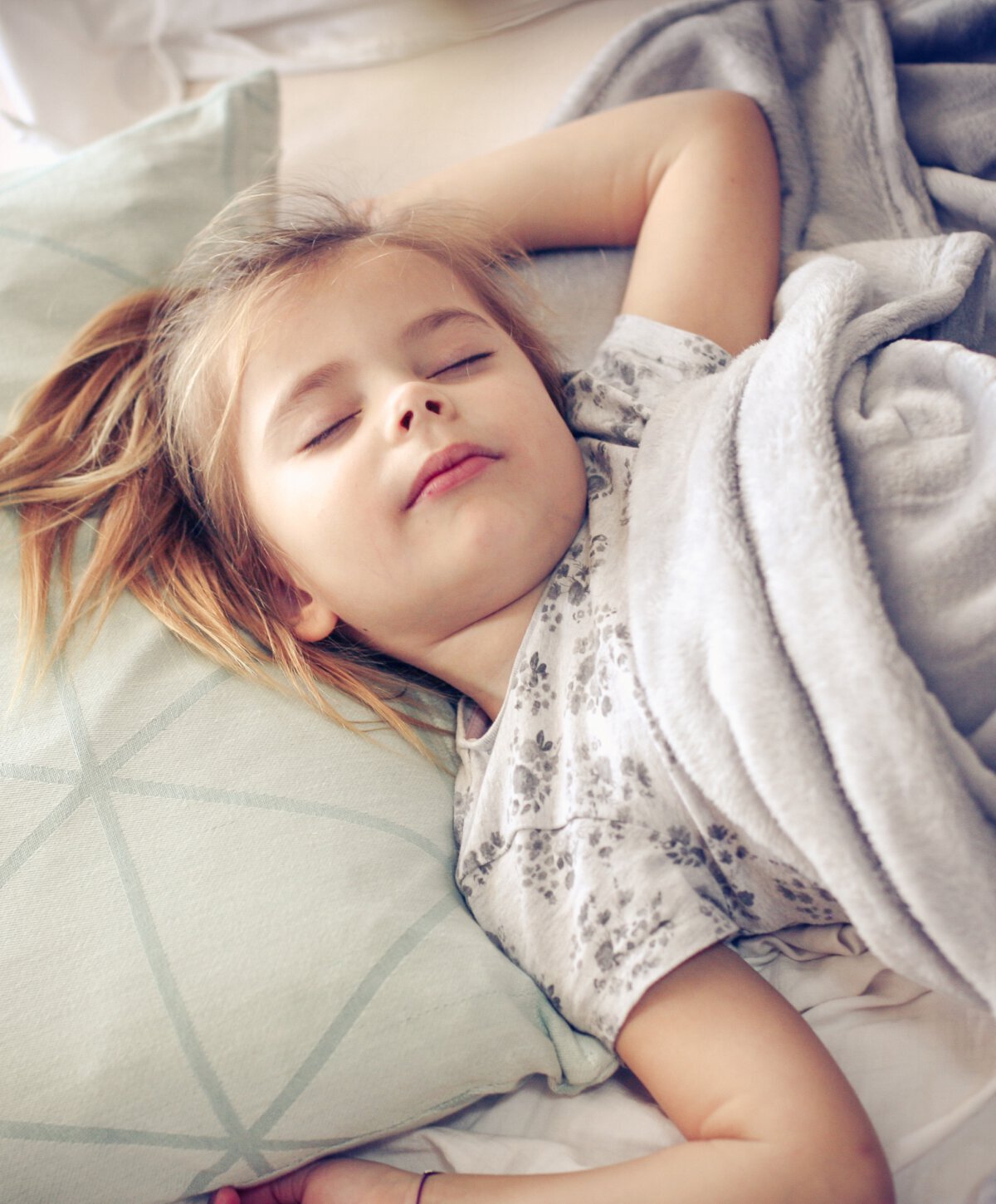
In children, enlarged tonsils and adenoids are among the most common causes of obstructive sleep apnea, though airway growth patterns, craniofacial development, neuromuscular conditions, and excess weight can also play a role. Some children may also be more vulnerable because of congenital conditions or syndromes that affect the airway.
The symptoms do not always look the way parents expect. Some children snore loudly or breathe noisily at night. Others sleep restlessly, gasp, sweat, wet the bed, or sleep in unusual positions to try to keep the airway open. During the day, the signs may show up as irritability, hyperactivity, learning issues, morning headaches, or constant fatigue. That is part of why pediatric sleep apnea is sometimes mistaken for attention or behavior problems when the real issue is poor oxygen and disrupted sleep.
A lot of sleep apnea care starts and ends with a machine. Dr. Siman looks at the mechanics underneath it.
He treats the airway as part of a larger system that includes the jaw, the bite, the tongue, the throat, and the way the lower face is built. For patients in Los Angeles who have struggled with CPAP, that changes the conversation. The goal is not just treating sleep apnea on paper. It is helping patients get a good night's sleep with something they will realistically wear.
If you or your child is snoring, waking up tired, or already know you have obstructive sleep apnea, it is worth getting a closer look. Dr. Siman offers sleep apnea treatment in Los Angeles for patients who want a custom, more wearable solution than a standard CPAP setup. Schedule a consultation, and we will talk through what is blocking the airway, what treatment makes sense, and what you can actually live with.
It can be. For many patients with mild to moderate obstructive sleep apnea, a custom oral appliance is an effective treatment and a practical alternative to continuous positive airway pressure.
Usually, yes. A sleep study helps confirm the diagnosis and severity before treatment begins.
In many cases, yes. When the appliance helps keep the airway open, it can significantly reduce or even eliminate snoring.
Yes. CPAP remains the most common treatment and the traditional gold standard, especially for more severe cases.
Cost depends on the exam, diagnostics, appliance type, and follow-up needed. Pricing reflects the complexity of the diagnosis and the customization required for your anatomy.
Dr. Eddie Siman has over 35 years of experience and is a premier TMJ and Sleep Apnea expert in Los Angeles and Orange County. Many come to Dr. Eddie Siman with severe tinnitus, migraine problems, and sleep apnea with no relief in sight. Little do these patients know that their painful symptoms are tied to the Temporomandibular joint (TMJ). Think outside the box and pay a simple visit to Dr. Siman today so you can finally find the source of all your pain and get rid of it once and for all.
Schedule your Private Consultation and Diagnosis Appointment with Dr. Siman Expert TMJ, Cosmetic Dental, and Sleep Apnea Treatments.
Call today (818) 574-5009
14629 Ventura Blvd, Sherman Oaks, CA 91423
414 N. Camden Drive Suite #1240, Beverly Hills, CA 90210
Enter your name and email, and we'll give you a downloadable/printable PDF checklist to bring to any consult - including ours.