Sleep apnea is an airway problem, but for some, the position of the jaw is a big contributor to that airway problem. This becomes especially relevant when treatment involves an oral appliance that holds the lower jaw forward during sleep.
That movement can create more space behind the tongue and help keep the upper airway open, but the jaw, bite, and surrounding muscles still have to tolerate that position for several hours every night. If a patient already has TMJ symptoms, an unstable bite, jaw pain, or overworked muscles, advancing the jaw without evaluating those factors first can create discomfort that makes the treatment harder to use consistently.
Dr. Eddie Siman looks at the airway and the bite together. Before deciding how far the jaw should be advanced, he considers how the teeth meet, how the temporomandibular joints move, what the muscles are doing, and how the patient’s sleep apnea has been diagnosed.
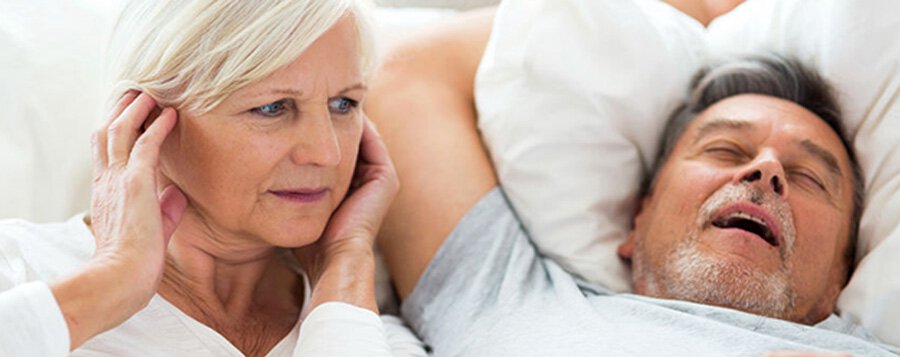
Obstructive sleep apnea occurs when the upper airway repeatedly narrows or closes during sleep. As the throat muscles relax, the tongue and surrounding soft tissues can move backward and restrict breathing, causing repeated interruptions that may happen many times during the night.
Common sleep apnea symptoms include loud snoring, waking up gasping, dry mouth, morning headaches, daytime fatigue, poor concentration, and unrefreshing sleep. Some patients notice clear symptoms, while others do not realize anything is wrong until a partner notices apnea episodes or a sleep study shows abnormal breathing patterns.
Obstructive sleep apnea is the most common type. Central sleep apnea is different because the breathing interruption begins with the brain’s control of breathing rather than a physical blockage in the throat. The correct diagnosis matters because treatment depends on the type and severity of the sleep disorder.
An oral appliance used for treating obstructive sleep apnea holds the lower jaw forward while the patient sleeps. That forward position can help keep the airway open by reducing the amount of space the tongue and soft tissues can occupy behind the jaw.
The airway may benefit from that adjustment, but the bite changes position at the same time.
The upper and lower teeth already have an established relationship before treatment begins. The jaw joints and muscles do too. Holding the jaw forward for hours every night can create temporary morning stiffness, muscle soreness, or changes in the way the teeth meet, especially if those structures were already under strain.
That is why the bite should be assessed before oral appliance therapy begins and monitored as treatment progresses. If necessary adjustments are made early, the appliance can be refined without waiting for discomfort or bite changes to become harder to correct.
Not every patient with sleep apnea needs permanent bite correction. Continuous positive airway pressure, or CPAP, treats obstructive sleep apnea by using air pressure to keep the airway open and does not depend on changing jaw position. Many patients also use oral appliances successfully without needing orthodontics, crowns, veneers, or other permanent dental treatment.
The bite becomes more important when the patient already has TMJ problems, significant grinding, worn teeth, an unstable jaw position, or pain when opening and closing the mouth. In those cases, an oral appliance needs to account for more than breathing alone.
A patient with mild sleep apnea and healthy jaw joints may tolerate advancement well. Someone with moderate sleep apnea, jaw clicking, facial pain, and morning stiffness may need a more cautious treatment plan. Severity matters, but the condition of the jaw matters too.
Oral appliance therapy works only when the patient can wear the device consistently.
If the appliance causes jaw pain, muscle tension, headaches, or an uncomfortable change in the bite, patients may begin taking it out during the night or stop wearing it altogether. That defeats the point of treating OSA with a device meant to be used every night.
Some patients also arrive with symptoms that were never connected to the jaw. They may have been focused on daytime fatigue, poor sleep quality, loud snoring, or repeated waking while treating jaw clicking and headaches as separate problems. Once both are evaluated, the relationship between the airway, lower jaw, muscles, and bite becomes easier to understand.
The goal is to improve breathing without creating a second problem in the mouth or jaw.
More advancement does not automatically mean better treatment.
An oral appliance needs enough forward movement to improve airflow while still remaining comfortable for the jaw joints and muscles. The position may need to be adjusted over time based on sleep quality, symptoms, treatment response, and follow-up testing.
Dr. Siman uses that same principle when treating TMJ. The jaw should be placed where the airway improves without forcing the muscles or joint into a position they cannot tolerate well. In some patients, a small adjustment can make a noticeable difference in comfort.
For people with existing TMJ symptoms, this is especially important. Sleep apnea treatment and TMJ treatment may overlap, but they are not interchangeable. The appliance has to work for both systems.
A dental examination can identify signs that raise suspicion for sleep apnea, but it cannot diagnose the condition by itself.
A sleep study helps determine whether apnea is present and how severe it is. That information helps distinguish mild sleep apnea from moderate or severe sleep apnea and guides the treatment options that may be appropriate.
Once the sleep diagnosis is established, the dental evaluation answers a different group of questions. Can the teeth support an oral appliance? Is the mouth healthy enough for long-term device wear? Does the jaw have enough comfortable range of motion? Are there existing TMJ symptoms, bite changes, or signs of grinding?
Those findings help determine if oral appliance therapy is a reasonable treatment option and how the jaw should be positioned.
Long-term oral appliance use can produce small changes in tooth position and bite relationships. Some patients may notice the lower teeth move slightly forward, the upper teeth shift back, or the way the teeth contact changes over time.
For many patients, those changes remain minor, but they still need to be monitored.
Baseline records allow the dentist to compare the bite before and after treatment. If changes begin to progress, the appliance can be adjusted, morning exercises may be introduced, or the treatment strategy can be modified.
Follow-up is especially important for patients who already have TMJ pain, grinding, dental wear, or other factors that place greater stress on the jaw.
Oral appliance therapy is one option for treating sleep apnea, but it is not the right answer for every patient.
CPAP machines remain an important treatment, especially for patients with severe sleep apnea or those who need more consistent airway support. Lifestyle changes may also help in appropriate cases, including losing weight when excess weight contributes to airway narrowing, avoiding alcohol near bedtime, and addressing other factors that affect sleep and breathing.
Untreated sleep apnea can affect much more than sleep quality. Left untreated, it is associated with a higher risk of health problems including high blood pressure, cardiovascular disease, metabolic issues, and reduced quality of life.
The treatment plan should match the severity of the condition, the patient’s overall health, and the anatomy involved.
For patients using an oral appliance, the airway and the jaw cannot be treated as unrelated structures. Moving the lower jaw forward changes both breathing space and bite mechanics, so both need to be evaluated.
This does not mean every patient needs permanent dental correction. It means the bite, jaw joints, muscles, teeth, and airway should be assessed before a device is prescribed and followed as treatment continues.
For patients with TMJ symptoms, grinding, facial pain, worn teeth, or a bite that already feels unstable, that evaluation becomes even more important. It may explain why a previous device was uncomfortable or why treatment never felt sustainable.
If you have obstructive sleep apnea, cannot tolerate CPAP, or are considering an oral appliance, it is worth discussing any jaw symptoms before treatment begins. Jaw pain, clicking, grinding, headaches, facial tension, bite changes, and morning stiffness can all affect how an appliance should be designed and adjusted.
Dr. Siman evaluates the sleep diagnosis alongside the jaw, muscles, bite, and airway to determine whether oral appliance therapy is appropriate and how the device should position the jaw. Schedule a consultation to review your symptoms, sleep study, bite, and jaw function, and build a treatment plan that supports both breathing and long-term comfort.
Dr. Eddie Siman has over 35 years of experience and is a premier TMJ and Sleep Apnea expert in Los Angeles and Orange County. Many come to Dr. Eddie Siman with severe tinnitus, migraine problems, and sleep apnea with no relief in sight. Little do these patients know that their painful symptoms are tied to the Temporomandibular joint (TMJ). Think outside the box and pay a simple visit to Dr. Siman today so you can finally find the source of all your pain and get rid of it once and for all.
Schedule your Private Consultation and Diagnosis Appointment with Dr. Siman Expert TMJ, Cosmetic Dental, and Sleep Apnea Treatments.
Call today (818) 574-5009
14629 Ventura Blvd, Sherman Oaks, CA 91423
414 N. Camden Drive Suite #1240, Beverly Hills, CA 90210
Enter your name and email, and we'll give you a downloadable/printable PDF checklist to bring to any consult - including ours.