TMJ Dentist
Los Angeles, CA
Los Angeles, CA
TMJ symptoms can be easy to dismiss at first. The problem is that these symptoms often build slowly, and by the time patients start searching for a specialist, they have already tried guards, exercises, medications, or other treatments without a clear answer.
Dr. Eddie Siman has spent more than 35 years diagnosing and treating TMJ disorder in thousands of patients. His approach looks closely at the temporomandibular joint, the bite, the jaw muscles, and related concerns like sleep apnea and teeth grinding before deciding what treatment would work best for the individual in front of him, not a single universal solution.
TMJ disorder is a group of problems affecting the temporomandibular joint, the muscles that control the jaw, and the way the upper and lower teeth come together. Symptoms may include:
The temporomandibular joint sits just in front of each ear and connects the lower jaw to the skull. You use it all day to chew, speak, swallow, and yawn. When the joint, muscles, or bite stop working comfortably together, symptoms can show up well beyond the jaw itself.


A TMJ dentist focuses specifically on diagnosing and treating problems involving the temporomandibular joint, jaw muscles, and bite.
Dr. Siman began his career in cosmetic dentistry, but his work shifted as he saw how often TMJ problems were affecting his patients' teeth, dental work, and overall comfort. That led him to focus more deeply on jaw function, bite mechanics, muscle activity, and the relationship between TMJ disorder and issues like sleep apnea.
Today, his treatment approach is based on identifying what is actually putting stress on the joint. That may include the bite, muscle tension, jaw position, grinding, or other contributing factors. The goal is to address the cause instead of repeatedly managing the same symptoms.

If you are looking for a TMJ specialist in Los Angeles, it's important to research how much of the provider's practice is actually devoted to TMJ.
Look for:
General dentistry and TMJ care are not the same thing. A provider should be able to explain what is happening in the joint, why the symptoms are occurring, and how the treatment plan is meant to improve it.
Some mild symptoms may settle with basic self-care.
Eating softer foods for a short time, limiting gum chewing, applying heat, gently stretching the jaw, and avoiding unusually wide opening can reduce irritation. Stress management and exercises may also help when muscle tension is part of the problem.
These measures are reasonable for a minor flare. If symptoms keep returning, however, the issue may involve the joint, bite, or jaw position in a way that home care cannot diagnose.
Schedule an evaluation if pain is persistent, the jaw locks, chewing becomes difficult, or clicking begins to hurt.
It is also worth seeing a TMJ specialist when headaches, ear symptoms, grinding, or facial pain continue despite treatment from a general dentist or another doctor. Many patients reach Dr. Siman after months or years of trying to relieve symptoms without understanding why they keep coming back.
Diagnosis begins with a detailed history and physical examination.
Dr. Siman evaluates the way the jaw opens and closes, how the bite fits together, which muscles are overworking, and where pain or joint sounds occur. His office also uses in-house imaging and functional technology to examine the joint and jaw movement more closely when needed.
The goal is straightforward: diagnose what is actually creating the strain before choosing a treatment.
Gentle exercises, stretching, heat, and temporary changes in diet may help reduce irritation in mild cases.
Physical therapy can help improve jaw movement, posture, and muscle function, particularly when tension extends into the neck or shoulders.
A custom appliance can help reposition the jaw, reduce grinding, and take pressure off the temporomandibular joint. Dr. Siman designs treatment around the patient’s bite rather than relying on a generic guard.
Muscle-focused therapy may be used to relax overworked jaw muscles and identify a more comfortable position for the bite.
Once symptoms are stable, additional dental care may be considered to restore damaged teeth and support comfortable, lasting function.
More advanced cases may require additional care depending on the type of joint damage or underlying medical issues. Surgery is generally considered only when conservative options are not appropriate or have not helped.
Patients with recurring pain, grinding, headaches, clicking, facial tension, bite problems, or difficulty chewing may benefit from an evaluation. TMJ care can also be useful when sleep, oral health, or existing dental work is being affected.
Treatment may need to be modified in cases involving active dental infection, severe arthritis, recent trauma, or other medical conditions affecting the joint. The diagnosis comes first.
Treatment may help:
Cost depends on the complexity of the case.
A simple consultation requires a different level of care than a case involving imaging, custom appliances, physical therapy, or bite correction. Pricing reflects the diagnostic work, treatment plan, materials, and follow-up needed for the individual patient.
Dr. Eddie Siman has focused on TMJ, bite function, and related dental problems for more than 35 years.
He evaluates the joint, muscles, teeth, bite, and airway together, which is especially useful for patients whose symptoms have never fit neatly into one category. His office serves patients throughout Los Angeles and Beverly Hills, including those coming from the Westside and areas around UCLA who want a more focused TMJ evaluation.
The objective is not to place every patient into the same appliance or treatment protocol. It is to determine which factors may be contributing to the patient’s symptoms, rule out concerns that require another provider, and develop an individualized plan beginning with appropriate conservative care.
If jaw pain, headaches, clicking, grinding, or facial discomfort have become part of your normal day, it may be time for a closer look. Dr. Siman can evaluate the joint, bite, muscles, and related symptoms, then explain what treatment options make sense for your case. Contact our office to schedule a consultation and get a clearer diagnosis.
Schedule Consultation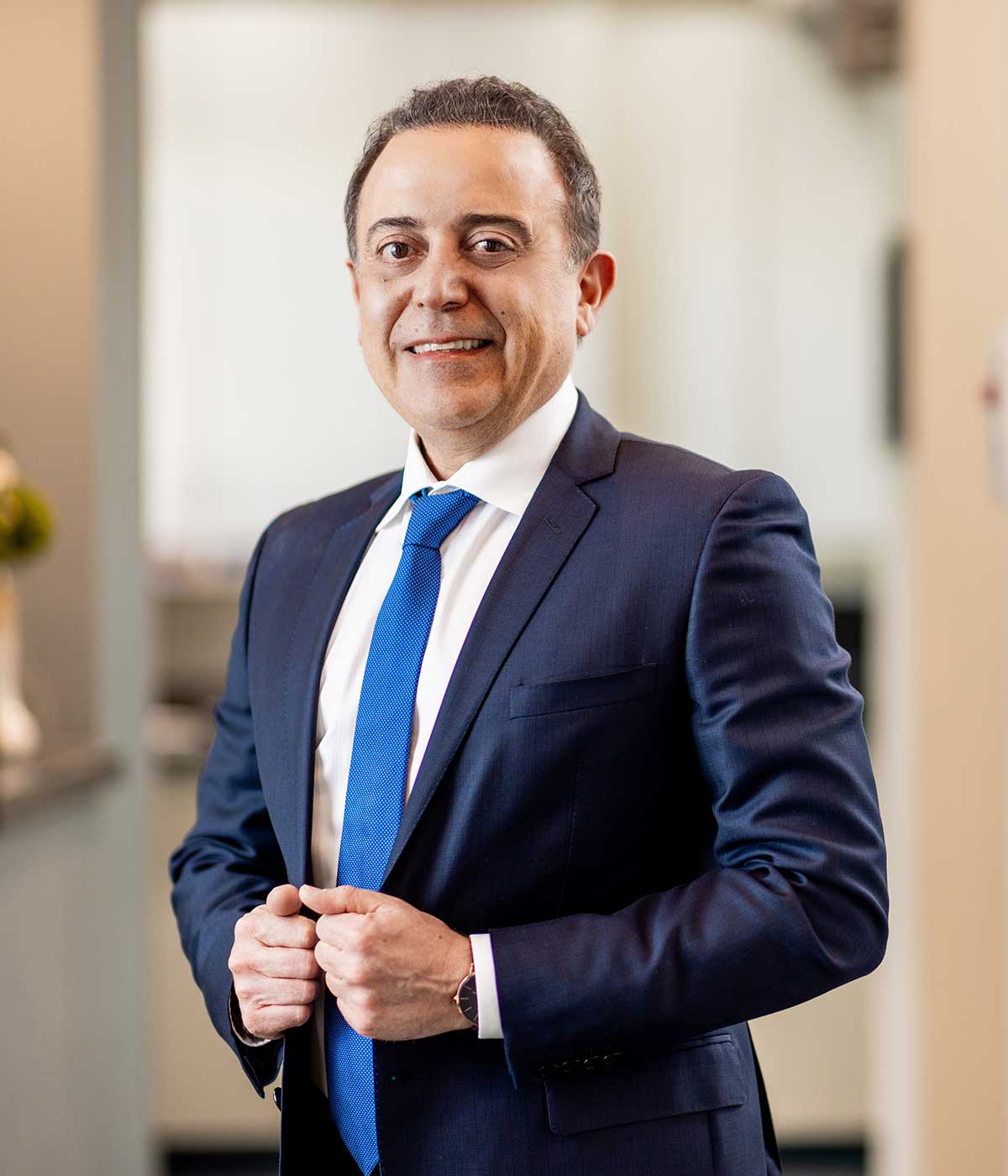
A TMJ dentist evaluates problems involving the temporomandibular joint, bite, jaw muscles, teeth, and related symptoms. Treatment may include custom appliances, physical therapy, bite correction, or other conservative care.
A dentist with advanced TMJ experience can evaluate the bite, teeth, muscles, and jaw joint. Some complex cases may also involve collaboration with physicians or other specialists.
A TMJ specialist has a narrower focus on jaw disorders, joint function, muscle activity, and bite mechanics. Most general dentistry visits do not include that level of evaluation.
Yes, when headaches are related to jaw tension, grinding, clenching, or dysfunction of the temporomandibular joint. A proper diagnosis helps determine whether TMJ is actually contributing.
Yes. Grinding, clenching, jaw position, and sleep apnea can overlap. Some patients wake with jaw pain, headaches, worn teeth, or facial tension after hours of nighttime strain.
No. A generic guard is not appropriate for every patient. Dr. Siman bases appliance therapy on the diagnosis, bite, and position of the jaw.
Treatment time varies by case. Some patients improve with conservative care over several weeks, while more complex bite or joint problems may require a longer plan.
Dr. Eddie Siman has over 35 years of experience and is a premier TMJ and Sleep Apnea expert in Los Angeles and Orange County. Many come to Dr. Eddie Siman with severe tinnitus, migraine problems, and sleep apnea with no relief in sight. Little do these patients know that their painful symptoms are tied to the Temporomandibular joint (TMJ). Think outside the box and pay a simple visit to Dr. Siman today so you can finally find the source of all your pain and get rid of it once and for all.
Schedule your Private Consultation and Diagnosis Appointment with Dr. Siman Expert TMJ, Cosmetic Dental, and Sleep Apnea Treatments.
Call today (818) 574-5009
14629 Ventura Blvd, Sherman Oaks, CA 91423
414 N. Camden Drive Suite #1240, Beverly Hills, CA 90210
Enter your name and email, and we'll give you a downloadable/printable PDF checklist to bring to any consult - including ours.